
AI Tattoo Generator for Hand Tattoos: Design Bold, Visible Ink
How an AI tattoo generator handles hand tattoos — designing for finger webbing, knuckles and the back of the hand, and what to think through before committing to one of the most visible placements there is.
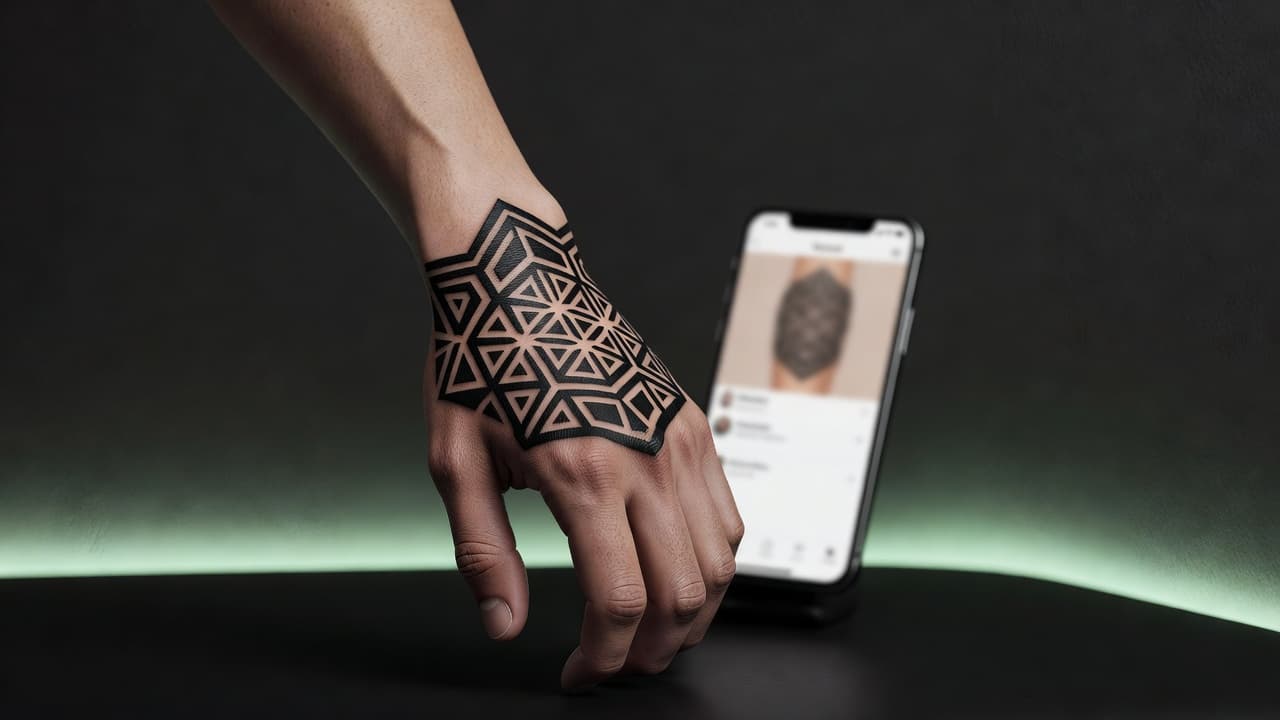
Hand tattoos are some of the boldest, most visible ink a person can get — and also some of the least forgiving to design badly. An AI tattoo generator for hand tattoos lets you work through the tricky parts before you book a session: describe a back-of-hand, finger, or knuckle piece, and see how the composition actually fits a small, bony, constantly-moving surface instead of guessing from a flat square preview.
In short: designing a hand tattoo with AI means picking the exact zone (back of hand, fingers, or knuckles), prompting for bold and simple rather than fine and detailed, and thinking honestly about visibility before you commit. This guide covers how the different hand zones behave, how to prompt for a design that actually holds up on skin that moves constantly, which styles suit hands best, and how to preview the result on your own hand first.
Why Hand Tattoos Are Different From Almost Every Other Placement
The hand is unlike most other tattoo real estate. It is small, it is almost never still, and it is exposed to sun, soap, and friction more than any other part of the body — all of which make it one of the most demanding placements to design well and one of the most visible once it is done. There is also very little forgiving, flat skin to work with: the back of the hand is crossed by tendons that shift with every finger movement, and the knuckles crease deeply every time you make a fist. A design that looks clean on a screen can look cramped, blurred, or distorted within a year if it was never built for this kind of surface in the first place.
How Does an AI Tattoo Generator Handle Hand Tattoos?
An AI tattoo generator renders artwork from your description or an uploaded photo, and for a hand piece the most useful thing you can specify is exactly which part of the hand it is for. Mentioning "back of hand," "across the knuckles," or "along the side of the index finger" changes how the AI composes the design — arranging it to fit a narrow, curved, mobile surface instead of defaulting to a layout meant for a flat rectangle.
In INK, you can describe your idea or start from an uploaded reference photo, specify the exact hand zone, and generate a few options to compare. Because a hand design reads differently across moving skin than it does as a flat image, it helps to picture each variation on your actual hand — fingers curled and extended — rather than judging it purely as a standalone graphic.
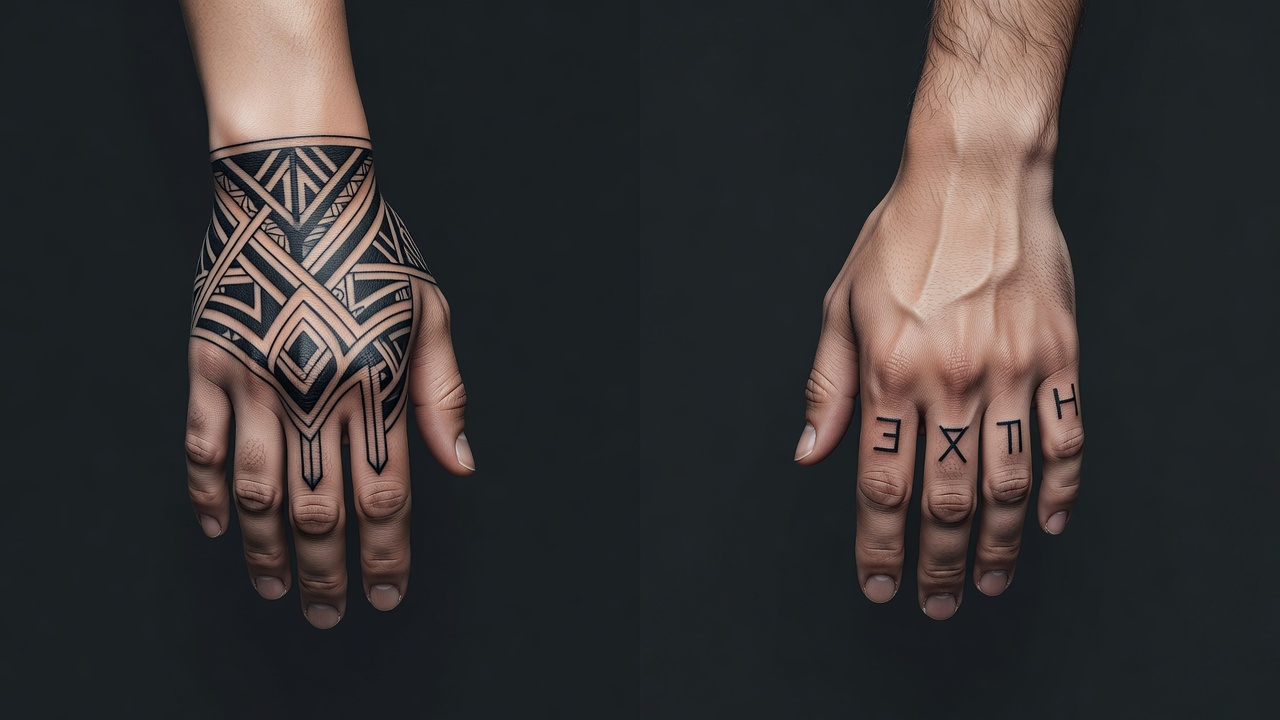
Back of Hand, Fingers, or Knuckles: Which Zone Fits Your Design?
Each part of the hand behaves differently, and the right zone depends on the design itself:
- Back of hand. The largest flat-ish area available, though it is crossed by visible tendons that move with every finger flex. Suits a single bold motif, a mandala-style pattern, or a design that flows outward toward the wrist.
- Fingers (sides and tops). Narrow, curved strips best suited to thin linework, small symbols, or short vertical elements. The sides of the fingers hold ink slightly better than the tops, which flex the most.
- Knuckles. The most demanding zone of all — deep creases that fold with every fist, minimal flat space, and the fastest fading of any hand area. Best reserved for single bold letters, short words, or very simple repeating icons across the four fingers.
A lot of hand tattoos actually combine zones — a design anchored on the back of the hand that extends a small element onto a finger, for example — which is worth specifying explicitly when you prompt.
How to Prompt an AI Tattoo Generator for a Hand Tattoo
A handful of habits make the difference between a hand tattoo design that ages well and one that turns into a blurry smudge within a couple of years:
- Name the exact zone first. Specify back of hand, a specific finger, or knuckles before describing the subject, since it changes the entire shape and scale of the design.
- Ask for bold over delicate. Request thick, high-contrast linework or solid black shapes rather than fine detail, soft shading, or thin gradients, which tend to spread and blur fastest on hands.
- Flag the tendons and creases. Tell the AI to keep dense detail away from areas that fold or shift the most — knuckle creases and the ridges over moving tendons.
- Keep it simple, not busy. A single strong motif reads better and lasts longer on a hand than a crowded composition trying to fit too much into a small space.
- Refine, don't restart. If one element feels off, use an AI tattoo editor to adjust that piece rather than regenerating the whole design from scratch.
Styles and Subjects That Actually Hold Up on Hands
Because hands see more wear than almost any other placement, certain styles age far better than others:
- Blackwork and solid shapes. Dense black fills and bold outlines resist blurring far longer than fine line or delicate shading.
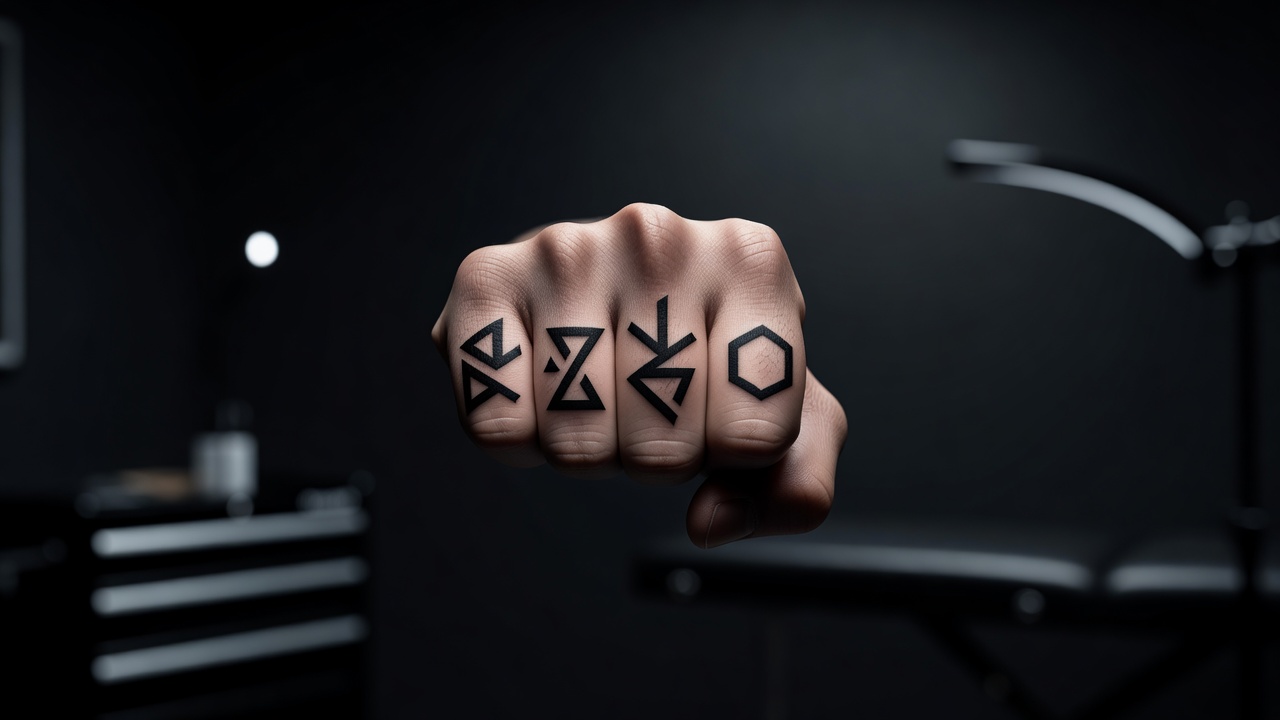
- Short lettering. Single words or a few letters across the knuckles remain one of the most legible, longest-lasting hand tattoo formats.
- Simple geometric symbols. Clean shapes with minimal internal detail translate well to the back of the hand or a finger.
- Small, single-element icons. A star, a moon, a single flower head — anything that doesn't rely on fine gradients works better than a busy scene.
- What to avoid. Photorealistic portraits, fine watercolor washes, and highly detailed linework tend to age the worst on hands, since the constant movement and exposure breaks down subtle detail fastest.
Thinking Through Visibility Before You Commit
Hands are the hardest placement on the body to cover with clothing, which makes this one of the most permanent, public decisions in tattooing. It's worth being honest with yourself about your current job, the industries you might work in later, and how a highly visible tattoo could be received in more conservative or client-facing settings. That doesn't mean skipping a hand tattoo — plenty of people wear them proudly with no issue — but it's a conversation worth having with yourself before the design becomes permanent rather than after.
Previewing Placement on Your Own Hand
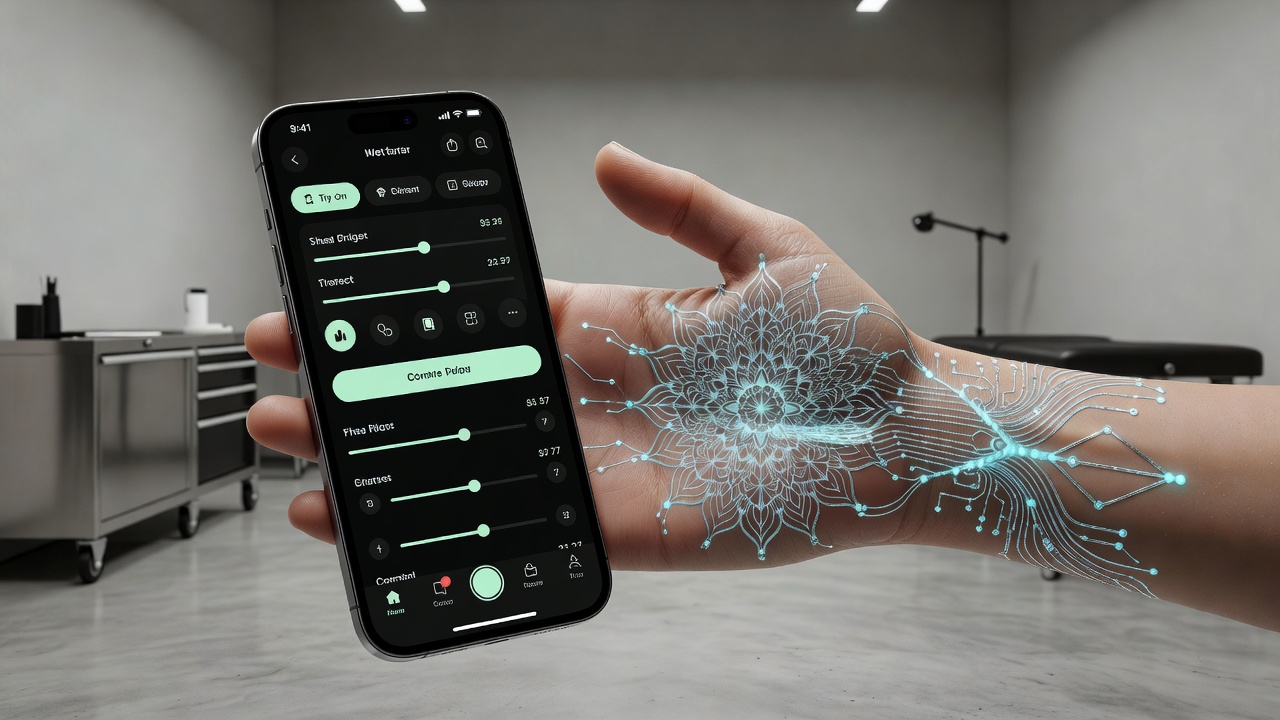
Because hands move constantly — flexing, gripping, gesturing — checking how a design actually sits on your real hand matters more here than almost anywhere else on the body. A composition that looks balanced as a flat image can look completely different once your fingers curl or your hand is resting flat on a table. Using AR try-on to preview the generated design directly on your hand lets you catch spacing, scale, or placement issues before you're committed. Our tattoo try-on technology guide explains how this preview process works.
Our tattoo placement guide covers pain levels and visibility across different body zones in more detail, which is worth reading alongside your design planning.
From AI Design to a Real Hand Tattoo
Once you have a hand design you're happy with, bring a high-resolution export to an artist and ask specifically about their experience tattooing hands — it's a genuinely different skill from tattooing an arm or back, since the skin behaves differently and the margin for error is smaller. A skilled artist will also flag which parts of your design are likely to hold up long-term and which might need simplifying, since a composition that looks perfect on a screen doesn't always translate cleanly onto skin this thin and this active.
Does Hand Placement Affect Healing?
Hand tattoos generally follow the same aftercare guidance as most other placements, but hands add a few extra challenges: you use them constantly, wash them dozens of times a day, and can't easily avoid friction from everyday tasks. That combination often means a slightly longer, more careful healing period, plus more attention to moisturizing and sun protection long after the tattoo has healed. Our full tattoo aftercare guide covers the healing timeline in detail.
The Final Word
An AI tattoo generator for hand tattoos won't replace an experienced artist's hand, but it will help you settle the details that matter most for this placement before you ever sit in the chair: which zone fits your design, how bold and simple it needs to be to last, and how it looks on your actual hand rather than a flat screen. Pick the zone first, prompt for boldness over detail, and preview the design on your own hand before you bring it to an artist.
Design Your Hand Tattoo Free in INK
Describe your idea, choose the exact hand zone, and preview it on your own hand before you ink. No sign-up needed.
Try INK Free →

Create Your Perfect Tattoo Design
Use AI to generate unique tattoo designs and preview them on your body before committing to ink.
Start Designing for FreeWritten by
INK Team