
Where to Get a Tattoo: Best Placements for Every Design
Find the perfect tattoo placement. Learn about pain levels, visibility, aging, and the best spots for small, medium, and large tattoos on every body part.

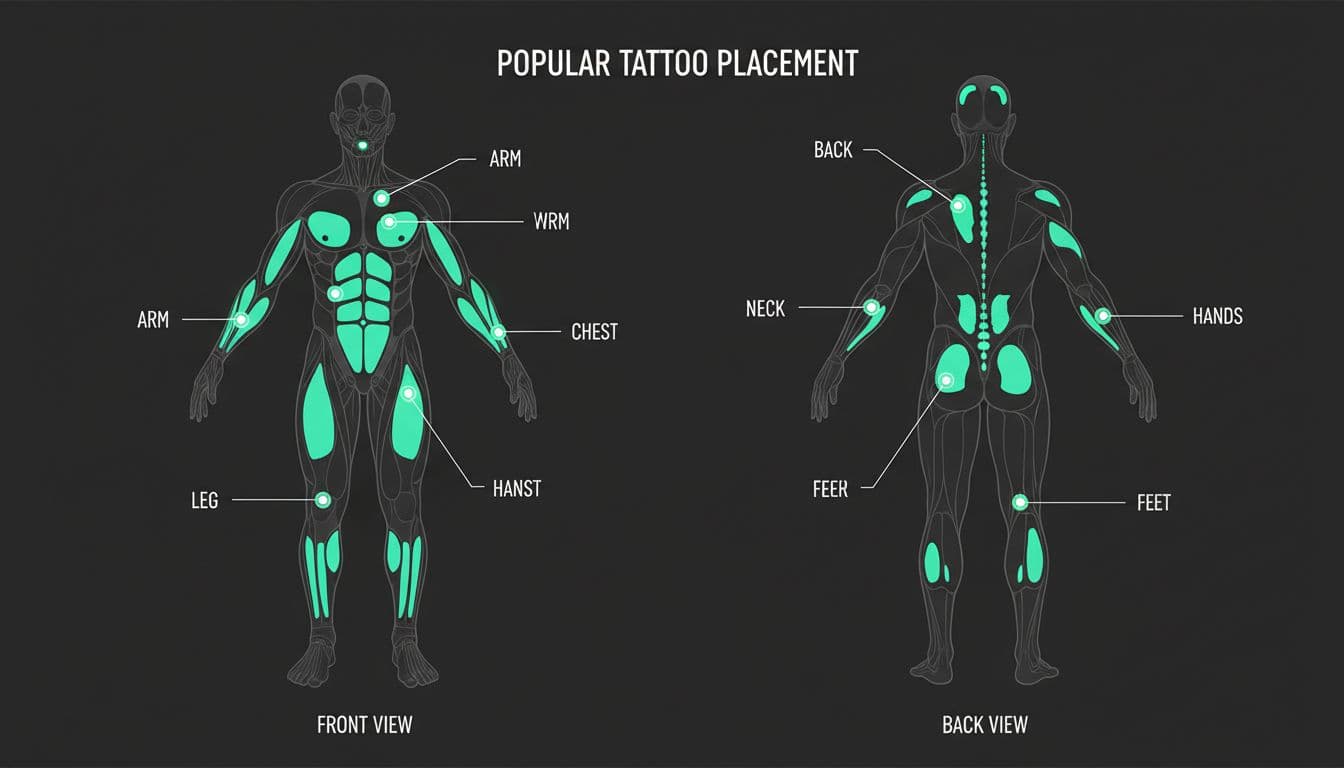
You've got the design. Now comes the question that trips up more people than you'd expect: where should it actually go? Tattoo placement isn't just about what looks cool—it affects pain, visibility, how well your tattoo ages, and even what designs work in each spot.
Getting placement wrong means living with a tattoo that doesn't quite fit, fades faster than it should, or sits in a spot you didn't fully think through. Getting it right means your ink becomes a natural extension of your body.
Let's break down everything you need to know about where to get a tattoo, from the practical considerations to the best spots for different types of designs.
Choosing the Right Placement for Your Tattoo
Before picking a spot, ask yourself these questions:
Visibility matters: Do you want to see your tattoo daily? Do you need to hide it for work? Some placements are easily concealed; others are always on display. Think about your lifestyle and career before committing to highly visible spots like hands, neck, or face.
Size and shape: Your design needs to fit the canvas. Long, narrow designs work on forearms and spines. Round designs suit shoulders and upper arms. Delicate fine-line work gets lost on large areas; bold pieces get cramped in small spaces.
Pain tolerance: Let's be honest—some spots hurt significantly more than others. Bony areas, thin skin, and spots near nerve clusters are more intense. If you have low pain tolerance, factor this into your decision.
Aging and movement: Skin in some areas stretches, sags, and changes more over time. High-friction areas fade faster. Weight fluctuations affect certain spots more than others. Consider how your body might change.
Future tattoo plans: If you're planning more ink, think about how this piece fits into potential future work. A random forearm piece might limit sleeve options later.
Arm Placements: Forearm, Bicep, and Wrist
Arms are the most popular tattoo location for good reason—they offer great visibility, relatively manageable pain, and tons of design flexibility.
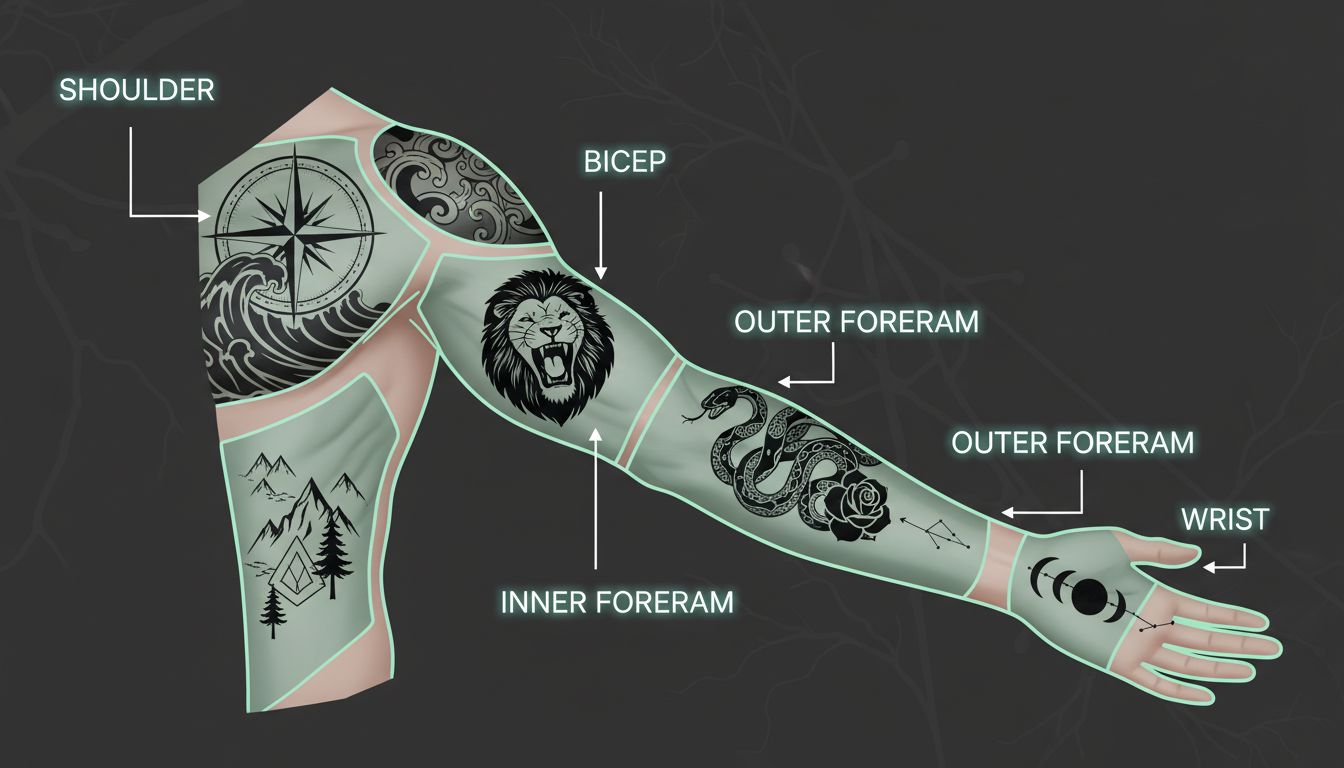
Inner Forearm
Pain level: Low to moderate
Visibility: High (visible to you and others)
Best for: Script, meaningful symbols, portrait work, medium-sized pieces
The inner forearm is a favorite first tattoo spot. The skin is relatively flat, pain is manageable, and you can see your own tattoo easily. It's also easy to show off or cover with long sleeves. Downside: this area gets a lot of sun exposure, so proper sun protection matters for longevity.
Outer Forearm
Pain level: Low to moderate
Visibility: High
Best for: Bold traditional work, nature scenes, larger designs
Similar benefits to inner forearm but slightly more visible in casual settings. The outer forearm handles bolder, larger designs well and flows naturally into potential sleeve work.
Bicep
Pain level: Low to moderate (inner bicep hurts more)
Visibility: Easily concealed with sleeves
Best for: Larger pieces, portraits, designs with depth
The bicep offers a nice flat canvas and easy concealment. Inner bicep is more painful due to thinner skin and proximity to nerves. This spot is ideal if you want substantial work that stays hidden in professional settings.
Wrist
Pain level: Moderate to high
Visibility: Very high
Best for: Small symbols, delicate line work, bracelet-style designs
Wrist tattoos are always visible (unless you wear a watch or bracelets). The area is small and bony, limiting design options and increasing pain. Popular for small, meaningful symbols or minimalist pieces.
Preview Tattoo Placements with AI
See exactly how your tattoo will look in different spots before committing. Try INK's placement preview free.


Leg Placements: Thigh, Calf, and Ankle
Legs offer large canvases that are easily hidden in professional environments. They're great for substantial pieces while maintaining discretion.
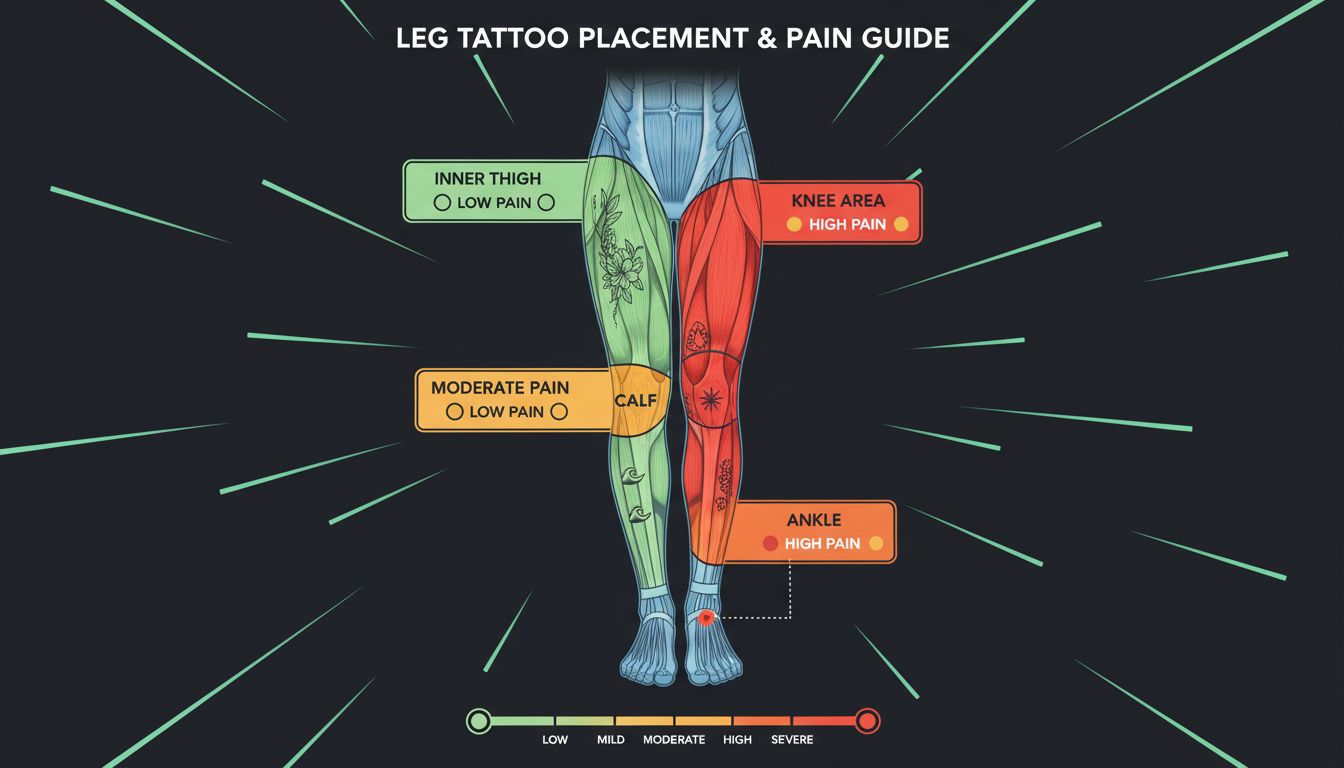
Thigh
Pain level: Low to moderate (outer is easier than inner)
Visibility: Easily concealed
Best for: Large detailed pieces, scenes, full compositions
The thigh is one of the least painful spots for large tattoos. You get a huge canvas that's completely hidden in most clothing. Inner thigh is more sensitive and prone to fading from friction. Outer thigh is ideal for big, impressive pieces you can show off when you want to.
Calf
Pain level: Moderate
Visibility: Visible in shorts/skirts, hidden in pants
Best for: Vertical designs, nature scenes, traditional work
Calves offer a nice curved surface that suits flowing designs. The muscle provides good padding. Front and sides are more comfortable; back of calf near the knee gets more painful. This placement is popular for traditional tattoos and nature imagery.
Ankle
Pain level: High
Visibility: Depends on footwear
Best for: Small, simple designs, wrap-around pieces
Ankle tattoos are trendy but painful—thin skin directly over bone. They're also prone to fading from sock friction and shoe rubbing. Best for small, simple designs that won't lose detail as they age.
Behind Knee
Pain level: Very high
Visibility: Hidden unless wearing shorts
Best for: Only if extending leg piece
One of the most painful spots. Usually only tattooed when completing a full leg piece. The skin is thin, sensitive, and sits over lots of nerves. Not recommended as a standalone tattoo location.
Torso Placements: Chest, Ribs, and Back
The torso offers the largest canvases on the body but also includes some of the most painful spots.
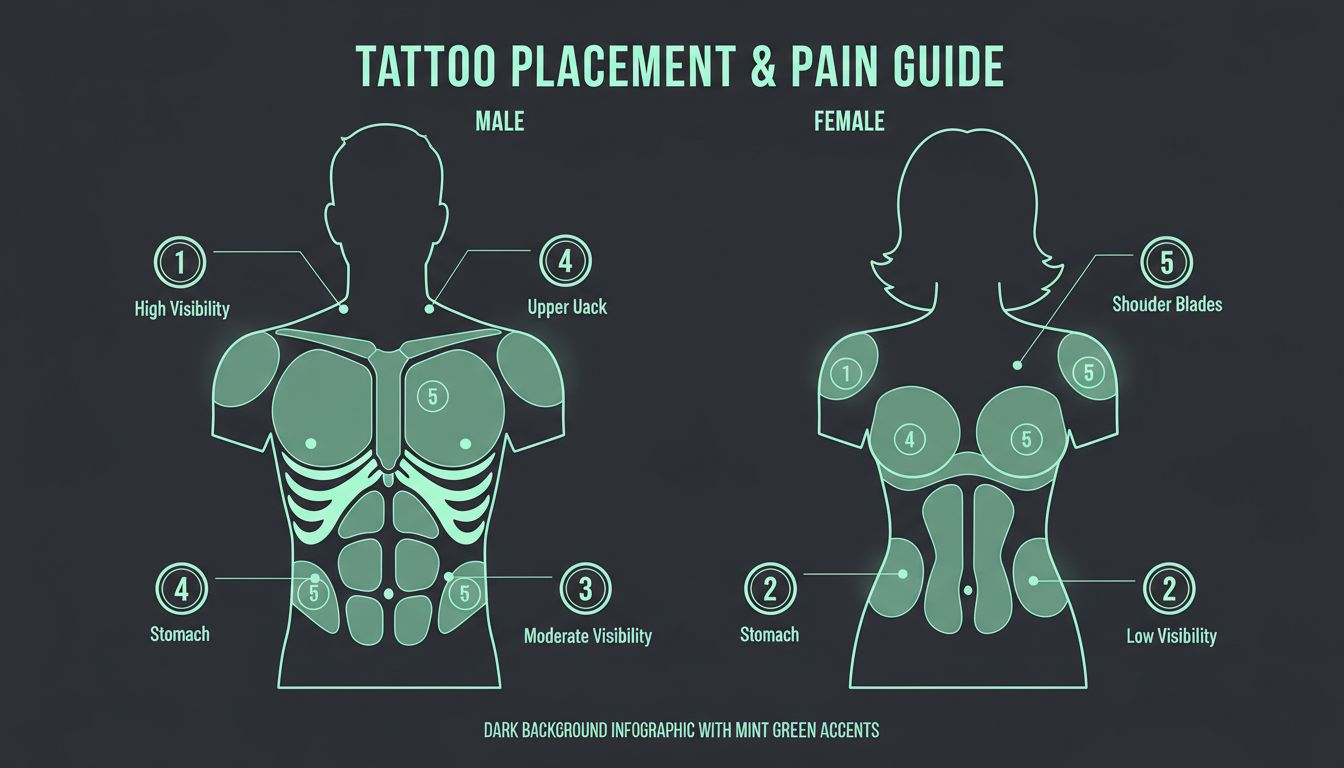
Chest
Pain level: Moderate (more painful near sternum and collarbone)
Visibility: Easily concealed
Best for: Large symmetrical designs, script, meaningful pieces
Chest tattoos make powerful statements. The flat surface works well for detailed pieces. Pain increases significantly near the sternum and collarbone. Consider how the design works with your body's natural lines and any plans for future connecting pieces.
Ribs
Pain level: Very high
Visibility: Easily concealed
Best for: Script, vertical designs, intimate meaningful pieces
Ribs consistently rank among the most painful tattoo spots. Thin skin stretched directly over bone makes for an intense experience. The payoff is a private placement that looks elegant when revealed. According to Healthline's tattoo pain chart, ribs and sternum top most pain rankings.
Back
Pain level: Low to moderate (spine hurts more)
Visibility: Easily concealed
Best for: Large detailed pieces, full back compositions, wing designs
The back provides the largest canvas on the body. Upper back and shoulder blades are relatively comfortable; spine and lower back increase in pain. Back pieces offer incredible opportunities for detailed, large-scale work that you can keep private or reveal dramatically.
Stomach
Pain level: Moderate to high
Visibility: Easily concealed
Best for: Those comfortable with potential stretching
Stomach tattoos are beautiful but risky. This area is highly affected by weight fluctuations and pregnancy. Skin stretches, and designs can distort. If your weight is stable and pregnancy isn't a consideration, it can be a great private canvas. Otherwise, proceed with caution.
Pain Levels by Body Area
Pain is subjective, but some areas consistently hurt more than others. Here's a general guide:
Least painful areas:
- Outer forearm
- Outer bicep
- Upper outer thigh
- Calf muscle
- Upper back/shoulder blade
Moderately painful areas:
- Inner forearm
- Inner bicep
- Chest (away from sternum)
- Lower back
- Upper arm/shoulder
Most painful areas:
- Ribs and sternum
- Spine
- Knee and elbow (ditch areas)
- Hands and feet
- Neck and throat
- Inner wrist
- Armpit area
Pain also depends on tattoo duration—a small piece anywhere is manageable, but hours of work in sensitive areas tests even high pain tolerances.
Best Placements for Small Tattoos
Small tattoos need thoughtful placement to maintain visual impact without getting lost or looking random.
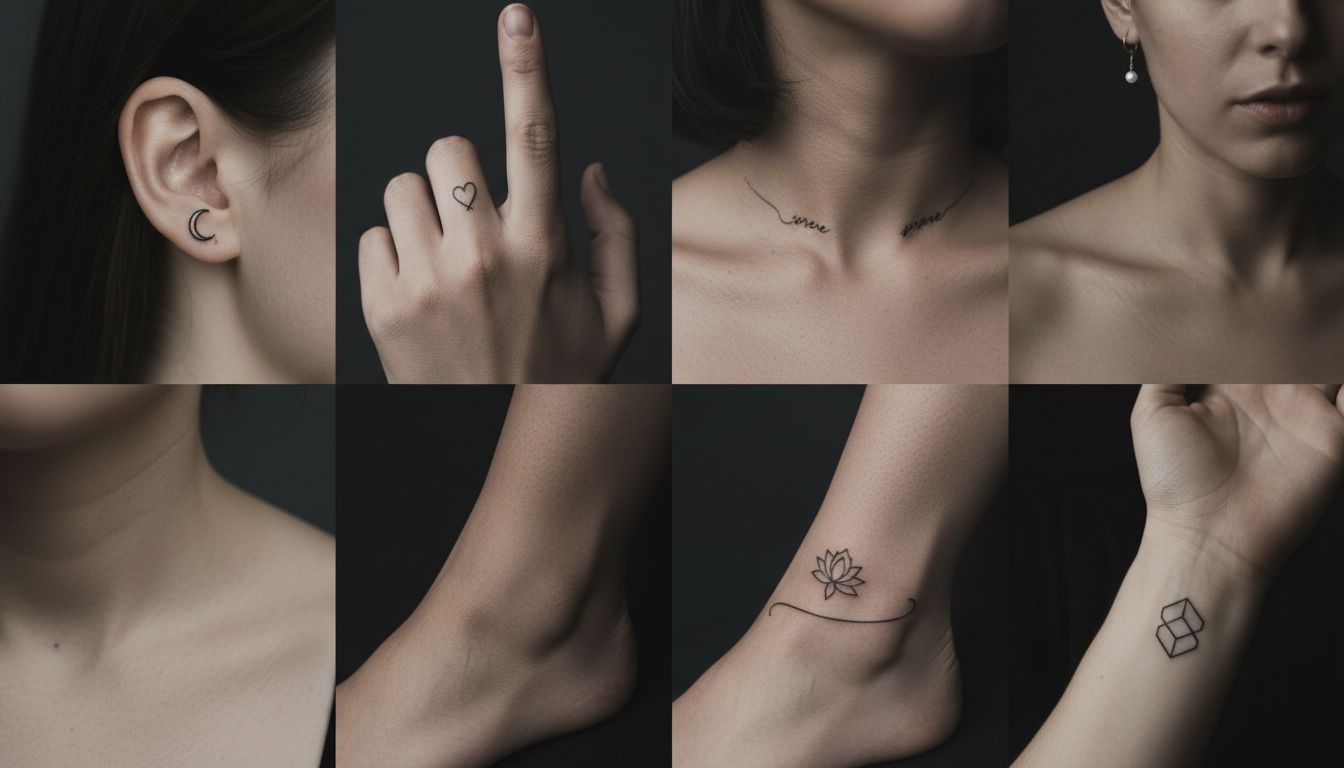
Popular small tattoo spots:
- Behind the ear: Subtle, elegant, easy to hide or show
- Inner wrist: Visible to you, meaningful placement
- Collarbone: Elegant, frames the face, visible in certain necklines
- Finger: Trendy but fades quickly, needs frequent touch-ups
- Ankle: Classic spot for small designs
- Back of neck: Visible with hair up, hidden when down
- Inner arm: Personal, visible mainly to you
Small tattoos with fine detail require skilled artists. Simple designs age better in these spots than intricate ones. For information on pricing small tattoos, check our complete tattoo pricing guide.
Using AI to Preview Tattoo Placement
One of the biggest advantages of modern AI tattoo technology is the ability to preview exactly how a design looks in different placements before committing.
Why preview placement matters:
- Scale accuracy: See if your design is too big or small for the intended spot
- Flow with anatomy: Check how the design wraps with your body's curves
- Comparison: Try the same design in multiple locations to find the best fit
- Confidence: Remove guesswork before making permanent decisions
- Communication: Show your artist exactly what you're envisioning
Upload a photo of yourself, place your generated design, adjust size and rotation, and see a realistic preview of how your tattoo will look. It's the closest you can get to trying before you buy.
Learn more about AI tattoo preview features in our tattoo try-on guide.
Find Your Perfect Placement
Generate designs and preview them on your body in different spots. See exactly how your tattoo will look before your appointment.
Try Placement Preview →
Create Your Perfect Tattoo Design
Use AI to generate unique tattoo designs and preview them on your body before committing to ink.
Start Designing for FreeWritten by

Laura Schmitz
Tattoo Content Lead, INK
Laura Schmitz leads tattoo content at INK. She has spent years researching tattoo styles, symbolism and aftercare, and works directly with the AI tattoo generator to test how each style translates from prompt to skin — so every guide here reflects designs that are actually tattooable, not just images that look good on screen.
More about the author