
When Does a Tattoo Start Itching? Full Healing Timeline
When does a tattoo start itching, why it happens, and what to do about it. The full healing timeline week by week.

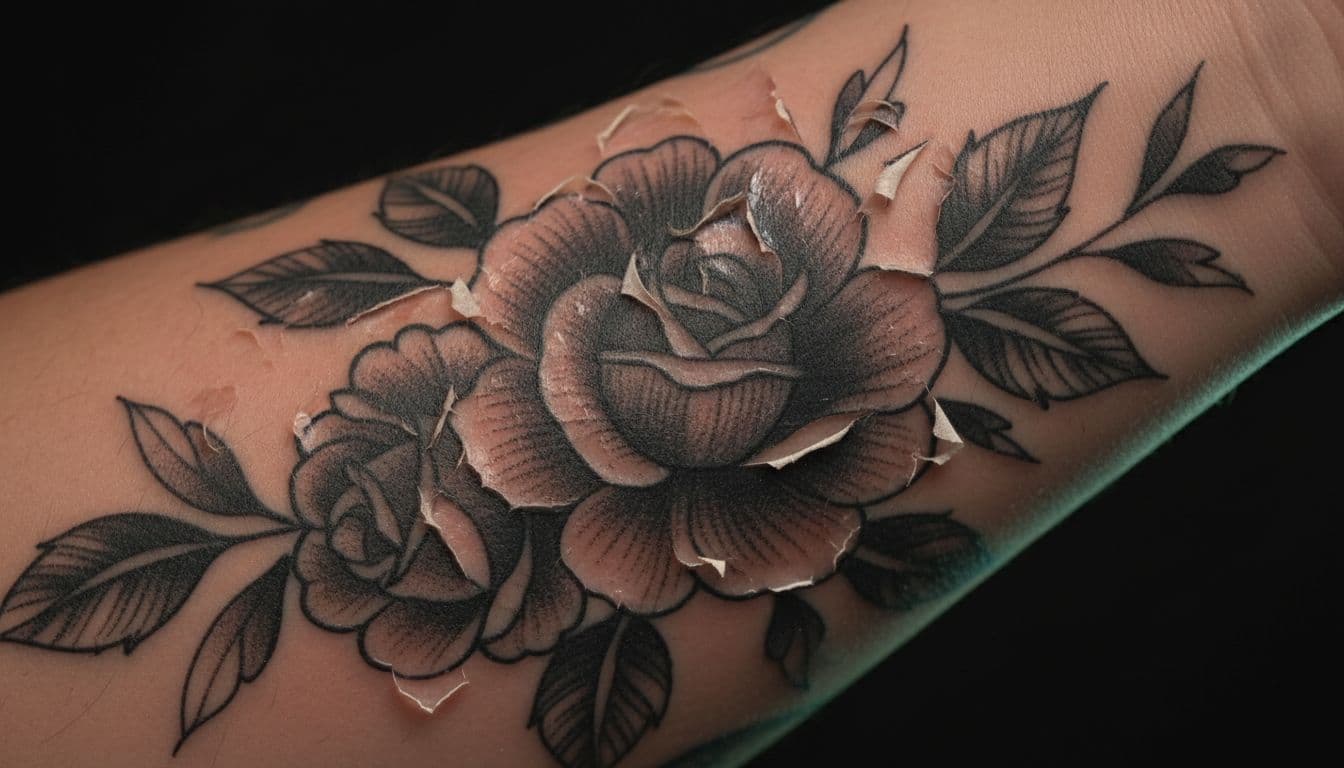
You finally got the tattoo. The pain is gone, the bandage is off, and a few days in your skin starts to drive you absolutely insane. So when does a tattoo start itching, why does it happen, and—most importantly—how do you stop it without wrecking your fresh ink?
Short answer: most people start itching somewhere between day 5 and day 14, peaking around the time the surface scabs and dry skin start flaking off. It's annoying, it's normal, and it has a clear biological reason behind it. Here's the full healing timeline and what to do at every stage.
The Quick Answer: When Tattoos Itch
- Days 1–4: Soreness and tightness, but usually no real itch yet
- Days 5–7: First itching often kicks in as the surface starts to dry and scab
- Days 7–14: Peak itch — flaking skin, scabs lifting, tight new skin underneath
- Weeks 3–6: Lighter, occasional itching as deep healing finishes
The exact timing depends on your skin, the size and placement of the tattoo, how heavy the work was, and how well you're following aftercare.
Why Tattoos Itch in the First Place
An itchy tattoo isn't a sign something's wrong — it's a sign your skin is healing exactly the way it should. A few things stack up to create that maddening urge to scratch.
Drying Surface Skin
The top layer of skin (the epidermis) is essentially a controlled wound after a tattoo. As it dries out, it pulls tight, cracks slightly, and triggers itch nerves. This is why moisturizing on schedule cuts itching down dramatically.
Histamine Response
Your immune system releases histamine as part of normal healing. Histamine is the same chemical responsible for the itch in mosquito bites, allergies, and rashes. The body floods the tattoo area with it for the first two weeks of healing.
Brand-New Skin Underneath
As scabs and flakes lift off, fresh, sensitive skin is exposed underneath. That new skin is hypersensitive to touch, fabric, sweat, and temperature for several days. According to the American Academy of Dermatology, this is one of the most common stages where people accidentally damage their tattoo by scratching.
Full Tattoo Healing Timeline (Day by Day)
Days 1–3: Fresh Wound Phase
Your tattoo is essentially an open wound. It will be tender, warm, and oozing a thin mix of plasma, blood, and ink (called weeping). Itching is rare here because the area is too sore. Keep it clean, follow your artist's bandaging instructions, and don't pick anything off.
Days 4–7: Tightening and First Itch
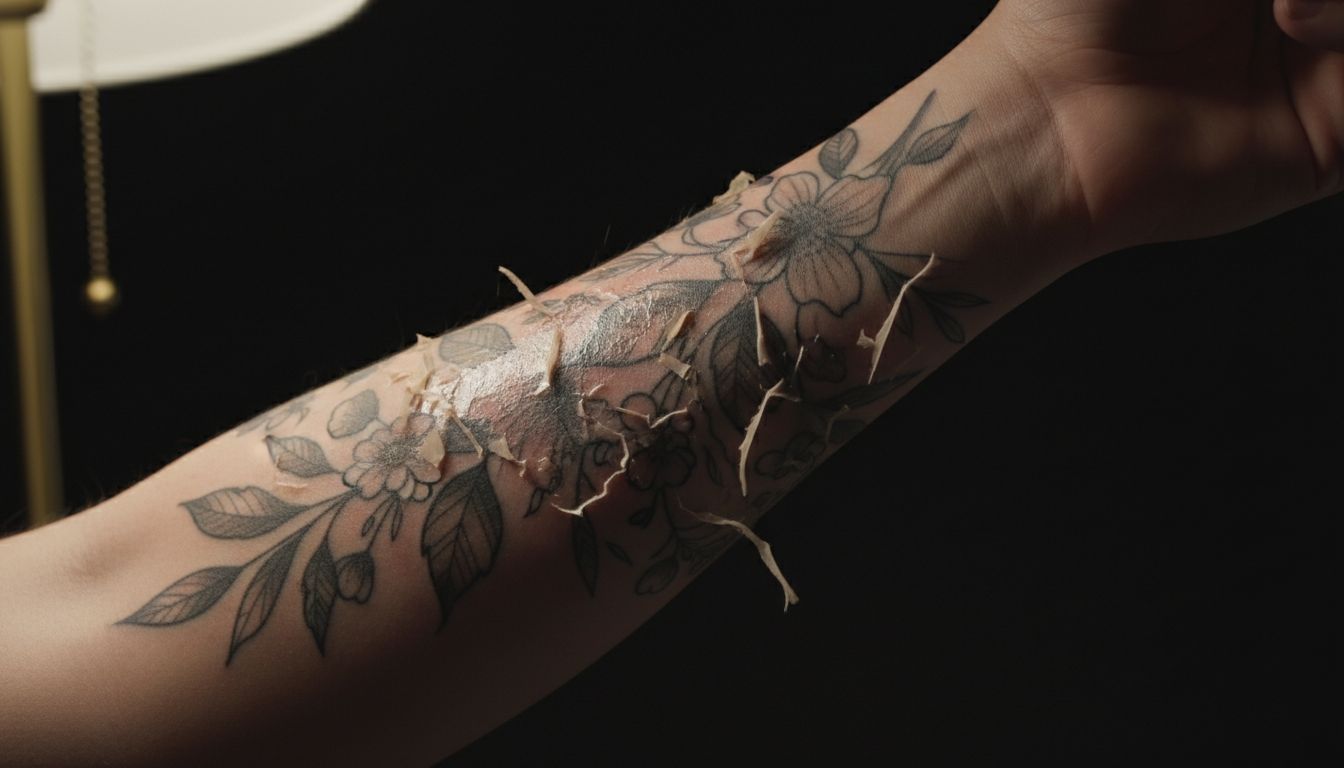
Around day 4, the skin starts to dry and feel tight. By day 5–7, the first real itch usually appears. Light scabbing forms; some areas may already start to flake. Resist the urge to scratch — gently pat or slap the area instead if you really need relief.
Days 7–14: Peak Itch and Flaking
This is the worst stretch. Scabs are lifting in pieces, dry skin flakes off looking like the tattoo itself is "shedding" (it's not — the ink is deeper than the flaking layer), and the itch can be relentless, especially at night. Moisturizer becomes your best friend.
Weeks 2–4: Surface Healed, Deep Healing Continues
The surface looks almost healed. Colors may appear slightly cloudy or matte — that's the "healing window," not lost ink. Itching becomes occasional rather than constant. The deep dermis is still rebuilding.
Weeks 4–6: Fully Healed
The tattoo settles into its final look. Colors brighten back up, the skin matches surrounding texture, and any remaining itch is mild. For a complete walkthrough of every stage, see our tattoo aftercare guide.
Normal Itching vs. Something Wrong
Most itching is just healing. But it's worth knowing the difference between normal and "call your doctor."
Normal:
- Itch concentrated on the tattoo itself
- Worst around days 7–14, then steadily fading
- Eased by moisturizer or a cool compress
- No fever, spreading redness, or pus
See a doctor if:
- Itching starts months or years after the tattoo healed (possible delayed ink allergy)
- The skin around the tattoo becomes raised, bumpy, or hot to the touch
- Fluid weeping that smells bad or looks yellow-green
- Itching paired with fever or flu-like symptoms — could be more than tattoo flu (see our tattoo flu guide)
How to Stop the Itch (Without Scratching)
The golden rule: never scratch a healing tattoo. You can pull off scabs early, scrape ink out, and create patchy spots that need touch-ups. Here's what works instead.
- Slap or pat, don't scratch. A firm slap stimulates the same nerves as scratching without damaging the surface.
- Cool compress. A clean cloth dampened with cold water for 10–15 minutes calms the itch fast.
- Moisturize on schedule. A thin layer of fragrance-free moisturizer 2–3 times a day prevents the dryness that drives most itching.
- Loose breathable clothing. Tight fabric rubbing on the tattoo amplifies itch. Cotton beats synthetics.
- Stay cool. Heat dilates blood vessels and ramps up histamine. Hot showers, saunas, and direct sun all make itch worse.
- Antihistamines (with caution). An over-the-counter antihistamine can take the edge off severe itching. Check with a pharmacist or doctor first.
When Itching Lasts Months Later
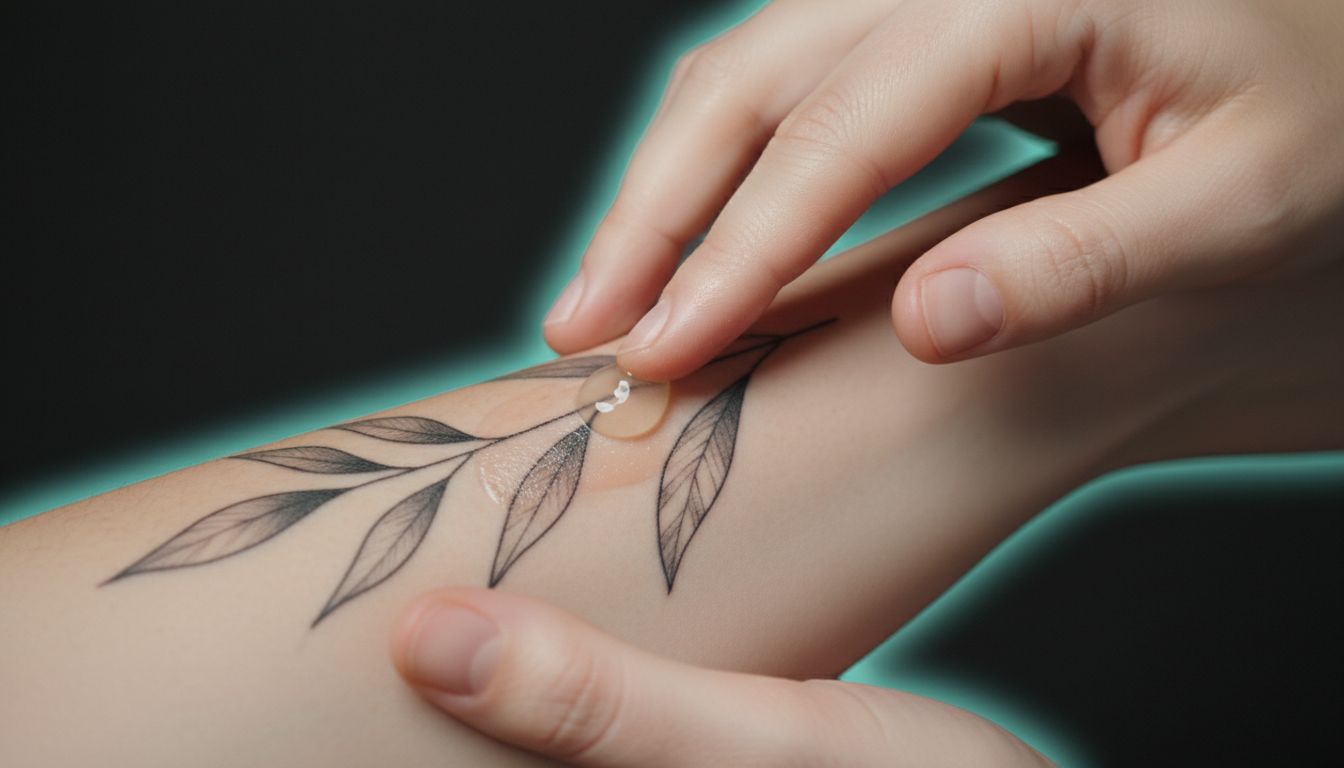
Sometimes a fully-healed tattoo starts itching again weeks, months, or even years later. The most common causes are reactions to red or yellow inks (which contain pigments people are most often sensitive to), sun exposure damaging the area, or a delayed immune response to the ink itself.
If you're consistently itching a healed tattoo, see a dermatologist. Treatments range from topical steroids to laser-based options if the reaction is severe. For a deeper look at removal-related decisions, our AI tattoo removal guide covers your options.
Design Smart, Itch Less
Want the easiest path to a smooth healing window? Plan smaller, simpler sessions for your first tattoos. Marathon all-day sittings with heavy color packing produce more inflammation, more flaking, and more itching during recovery.
This is where AI-assisted design pays off. Generate your concept, refine it, try it on your body with AR, and walk into your appointment with a clear, well-scoped design. Less time under the needle means less trauma to your skin and a calmer healing window. Our complete AI tattoo generator guide walks through how to do exactly this.
The itch phase is just a few days. Done right, you barely notice it — and a few weeks later you're left with a tattoo you'll have for life.
Plan Your Next Tattoo with AI
Design smarter, sit shorter, heal faster. Generate your tattoo with INK, preview it on your skin, and walk into your appointment ready to go.
Generate Your Design Free →

Create Your Perfect Tattoo Design
Use AI to generate unique tattoo designs and preview them on your body before committing to ink.
Start Designing for FreeWritten by

Laura Schmitz
Tattoo Content Lead, INK
Laura Schmitz leads tattoo content at INK. She has spent years researching tattoo styles, symbolism and aftercare, and works directly with the AI tattoo generator to test how each style translates from prompt to skin — so every guide here reflects designs that are actually tattooable, not just images that look good on screen.
More about the author