
Tattoo Machines Explained: Coil, Rotary & The Tools Behind Great Ink
How tattoo machines actually work: coil vs rotary vs pen-style, what each one does, and how AI is changing the design side of tattooing.

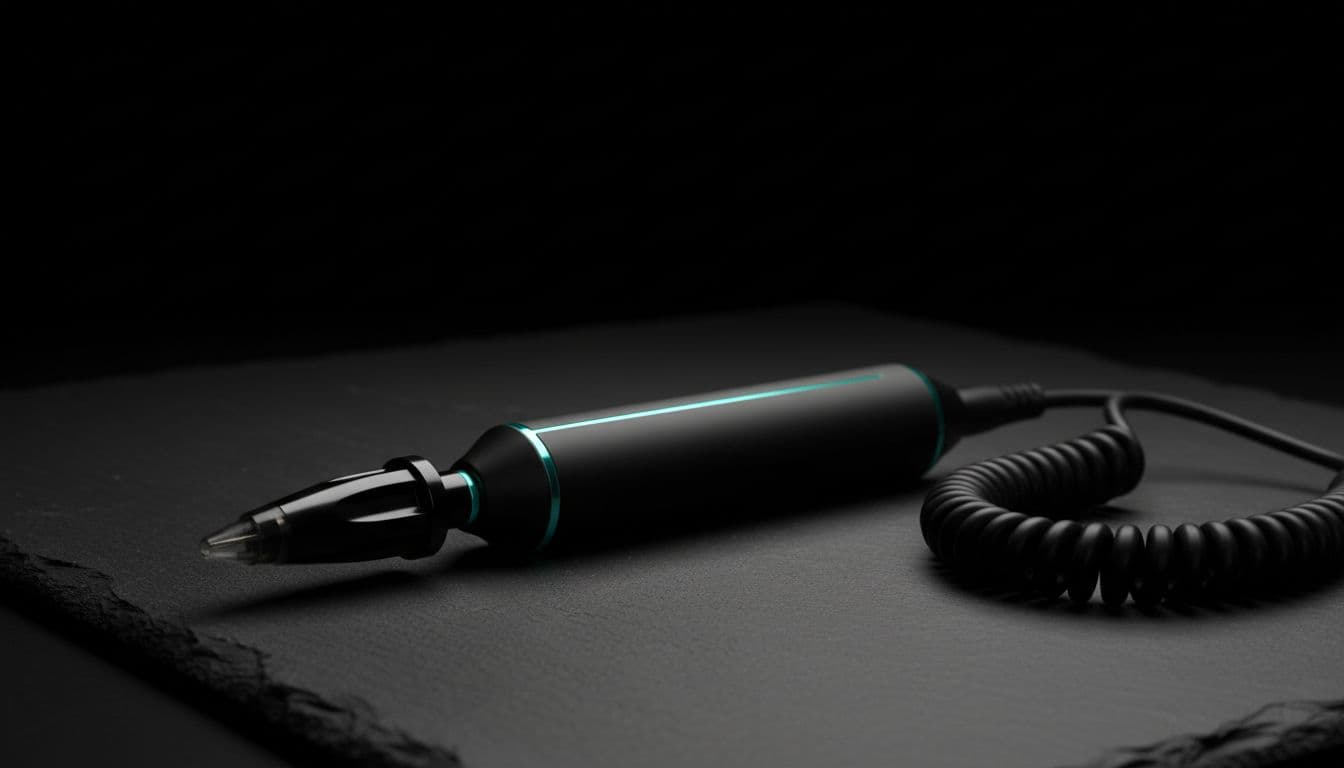
Watch a tattoo artist work and the tool in their hand looks deceptively simple — a humming, vibrating wand that turns sketches into permanent skin art. But tattoo machines are one of the more elegant pieces of small-scale engineering in any creative field. Understanding how they work makes you a smarter client, and helps explain why some tattoos look incredible while others don't quite hit the mark.
This guide walks through exactly how tattoo machines function, the three main types you'll encounter, what needles actually do, and where modern technology — including AI — is changing the craft.
What a Tattoo Machine Actually Does
At its core, a tattoo machine is a precision puncture tool. It moves a cluster of small needles up and down at high speed (typically between 50 and 150 times per second), pushing ink through the epidermis and into the dermis — the second layer of skin where ink stays permanently.
The needle doesn't "spray" ink. It physically deposits a tiny amount of ink into each puncture by capillary action, then withdraws. Multiply that by thousands of strokes per minute, and you get the smooth lines and saturated shading you see in finished work.
For the full picture of what happens during a session — preparation, stenciling, healing — see our how tattoos are made guide.
Coil Machines: The Classic
Coil machines are the traditional workhorse — heavy, instantly recognizable by their tall frame and visible electromagnetic coils. They've been the backbone of tattooing since the late 1800s.
How they work: Two electromagnetic coils pull a steel armature bar downward when power flows through them. A spring snaps the bar back up when the circuit breaks. That up-down motion drives the needle. The classic buzz you hear is the bar making and breaking the circuit dozens of times per second.
Strengths:
- Excellent for bold lines and saturated black-and-grey work
- Long-lasting and field-repairable
- The mechanical "feedback" experienced artists rely on
Trade-offs:
- Heavy — can cause fatigue during long sessions
- Loud — that classic tattoo studio buzz
- Each machine is typically tuned for either lining or shading, not both
Rotary Machines: Modern Workhorses
Rotary machines use a small electric motor — like a tiny version of what powers a cordless drill — to drive the needle up and down via a rotating cam. They're lighter, quieter, and more versatile than coil machines.
How they work: A rotating motor turns an offset cam that converts circular motion into linear needle movement. Smooth, consistent, and efficient.
Strengths:
- Lightweight and easier on the artist's wrist
- Quieter, less intimidating for clients
- Versatile — one machine can handle lining, shading, and color packing
- Generally gentler on skin, which can speed healing
Trade-offs:
- Some artists feel rotaries lack the tactile feedback of coils
- More electronic components mean more potential failure points
Pen-Style Machines: The New Standard
Pen-style machines are a specialized form of rotary, designed to look and handle like a thick pen. They've exploded in popularity over the last decade and are now the go-to for many modern tattoo artists, especially in fine line and minimalist work.
How they work: Same rotary motor concept, but housed in a slim cylindrical body that the artist grips like a marker. The needle cartridge clicks in at the tip and is replaceable in seconds between clients.
Strengths:
- Natural pen-like grip — ideal for detailed and fine line work
- Cartridge needles improve hygiene and speed up setup
- Lightweight — minimal hand fatigue across long sessions
- Compatible with wireless power options for cleaner workspaces
Trade-offs:
- Cartridge needles are typically pricier than traditional needle bars
- Some old-school artists feel pen-style machines lack the "soul" of coils
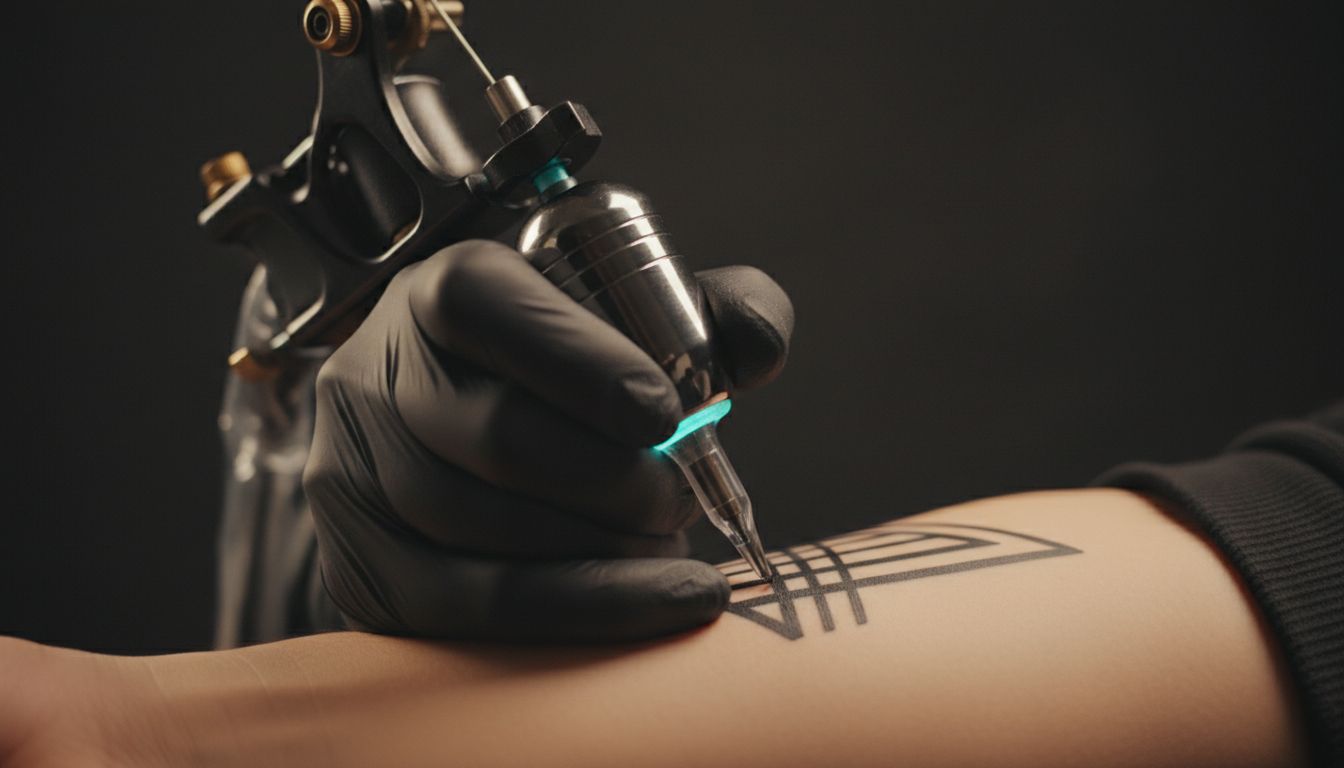
Needles: Liners vs. Shaders
The machine is only half the story. The needles attached to it determine the kind of line, shading, or fill the artist can achieve.
Liner needles are tightly grouped (3 to 14 needles in a round configuration) for crisp outlines. The smaller the cluster, the finer the line.
Shader needles are loosely grouped or arranged in a flat or magnum configuration to deposit ink across a wider area for shading and color packing.
A skilled artist swaps needle configurations multiple times per session to get the right effect for each part of the design. According to the general history of tattoo machines, the standardization of disposable cartridge needles in the 2000s revolutionized hygiene and workflow more than any single hardware change in decades.
Power Supplies, Voltage, and Setup
Tattoo machines run on low-voltage DC power, typically between 6 and 12 volts. The artist controls voltage via a power supply at their station — higher voltage means faster needle movement, which is suited for shading; lower voltage gives slower, more controlled lining.
Modern wireless power supplies (small batteries that clip directly onto the machine) eliminate cords entirely, giving artists more freedom of movement and a cleaner workspace.
Where AI Fits Into Modern Tattooing
Here's where the craft is changing fastest. AI doesn't replace the machine, the needle, or the artist — those are physical, embodied skills no software can do. But AI is rapidly becoming the design partner sitting next to the machine on every artist's bench.
Most tattoo regret comes from design decisions, not technical execution. The artist did exactly what was asked — but what was asked wasn't quite right. AI flips that pattern by giving you (and your artist) a way to iterate on the design itself before any needle touches skin.
With AI tattoo tools, you can:
- Generate dozens of design variations in minutes instead of weeks of consultations
- Test placement on your actual body using AR before you commit
- Try the same concept in completely different styles to find what resonates
- Walk into your appointment with a polished reference instead of a vague description
The artist still does the hard physical work — and that's where their decades of skill matter. But you're showing up with a much clearer brief, which means shorter sessions, fewer revisions, and tattoos people are happier with long-term.
What This Means for You as a Client
Knowing the difference between coil, rotary, and pen-style machines isn't just trivia — it can shape the conversation with your artist. If you're getting fine line work, expect a pen-style. If you're getting bold traditional Americana, your artist may prefer coils. If you're sitting for a long color session, a rotary can mean a smoother experience for both of you.
You don't need to be an expert. But understanding the tools helps you appreciate the craft, ask smarter questions, and pick artists whose setup matches the kind of work you want.
For the bigger picture of preparing for your first or next session, our first tattoo guide covers everything else you should know before sitting down.
The machine has evolved from a buzzing electromagnet to a sleek pen, but the magic is still the same: a needle, some ink, an artist with steady hands, and a design worth carrying for life.
Bring a Better Design to Your Next Appointment
The machine matters. The design matters more. Use INK to generate, refine, and try on your tattoo before you book — your artist will love you for it.
Design Your Tattoo Free →

Create Your Perfect Tattoo Design
Use AI to generate unique tattoo designs and preview them on your body before committing to ink.
Start Designing for FreeWritten by

Laura Schmitz
Tattoo Content Lead, INK
Laura Schmitz leads tattoo content at INK. She has spent years researching tattoo styles, symbolism and aftercare, and works directly with the AI tattoo generator to test how each style translates from prompt to skin — so every guide here reflects designs that are actually tattooable, not just images that look good on screen.
More about the author